Build Your Cat a Zen Zone: A Room-by-Room Guide to Calm Spaces, Soothing Sounds, and Daily Rituals That Stick
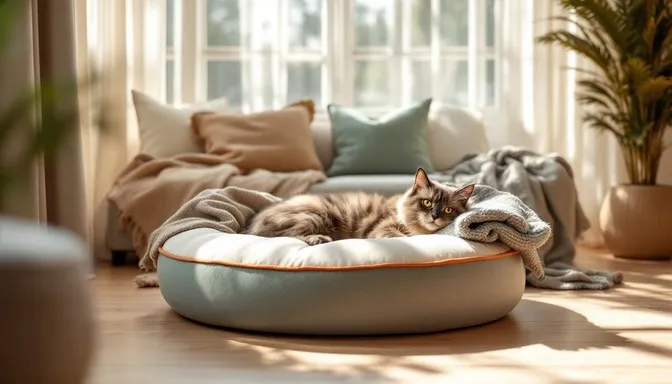
Photo: cozy cat sanctuary room with soft lighting and cat bed, via images.stockcake.com
Your Cat Deserves a Retreat (And So Do You)
Let's be real — modern homes aren't exactly designed with cats in mind. Between doorbells, delivery notifications, kids, dogs, roommates, and the constant hum of life in a busy American household, the average domestic cat is navigating a pretty overwhelming sensory landscape every single day.
The good news? You don't need to renovate or spend a fortune to give your cat a genuine sanctuary. What you need is intention — a little thoughtfulness about space, sound, and routine. This guide is going to walk you through building a zen zone your cat will actually use, with practical tips you can start implementing today.
Step 1: Choose the Right Room (Or Corner)
Before you think about décor or audio, you need to pick a location. The ideal cat sanctuary spot has a few key characteristics:
- Low foot traffic. A hallway or living room hub isn't going to cut it. Think a spare bedroom, a quiet corner of a home office, or even a dedicated nook in a larger room that's naturally away from the main flow of activity.
- Natural light access. Cats are sun-seekers by nature. A spot near a window — ideally one that doesn't face a busy street — gives your cat the warmth and visual stimulation they crave without the chaos.
- Vertical options nearby. Cats feel safer when they can observe their environment from above. A cat tree, a wall-mounted shelf, or even a cleared-off bookshelf near the sanctuary space lets them relax while staying situationally aware.
- Consistent temperature. Avoid spots near exterior doors, drafty windows, or heating/cooling vents that blast unpredictably.
If you're in a small apartment, don't stress. Even a dedicated corner with a cozy bed, a curtain for partial enclosure, and a small speaker can function beautifully as a sanctuary space.
Step 2: Get the Sound Right
This is where Cat Calm Radio comes in — and where a lot of well-meaning pet owners go wrong. Sound isn't just background filler; it's an active part of your cat's environment, and the wrong audio can do more harm than good.
What to play: Look for audio specifically curated for cats or animals — not just whatever ambient playlist you'd put on for yourself. Lower-frequency, slower-tempo soundscapes tend to work best. Think gentle rain, babbling streams, soft acoustic guitar, or purpose-built feline relaxation music. Cat Calm Radio is built around exactly this kind of content, with soundscapes selected for their calming effect on cats rather than human entertainment value.
What to avoid: Skip anything with unpredictable dynamic shifts, heavy bass drops, or sharp percussive elements. True crime podcasts, action movie soundtracks, or high-energy pop music playing in the background might seem harmless, but they can keep a cat's nervous system in a low-level alert state.
Volume matters more than you'd think: Keep it quieter than you think you need to. A volume level that sounds soft to you can register as moderate to your cat, whose hearing is significantly more sensitive. Think "barely audible from across the room" rather than "pleasant background music."
Step 3: Speaker Placement Done Right
Placement is a detail that doesn't get nearly enough attention in the pet wellness conversation. Here's a simple framework:
- Place speakers at cat level or slightly above, not aimed down from a high shelf. Sound that feels enveloping rather than overhead tends to be less startling.
- Avoid pointing speakers directly at sleeping or resting spots. The goal is ambient sound that fills the room gently, not audio aimed at your cat's ears.
- Use a single speaker rather than stereo separation in a small space. Wide stereo imaging can create a disorienting soundstage for animals with precise directional hearing.
- Bluetooth or wired — just keep it stable. Connectivity hiccups that cause sudden silence followed by audio resuming can be genuinely startling for a cat that's drifted off. A reliable, consistent setup is worth the small investment.
A small, quality Bluetooth speaker on a low shelf or side table works great for most setups. You don't need a whole home audio system.
Step 4: Décor That Actually Supports Calm
The visual and tactile environment matters just as much as the audio. A few principles to guide your sanctuary design:
Soft textures everywhere. Cats are tactile creatures. Plush blankets, a quality orthopedic cat bed, and a few fleece or sherpa-lined options give your cat the sensory comfort that supports genuine relaxation. Bonus: familiar-smelling bedding — unwashed items that carry your scent — can be deeply reassuring for anxious cats.
Neutral, muted colors. While cats don't see color the way we do, a visually busy space with lots of high-contrast patterns can feel stimulating rather than calming. Soft grays, warm whites, muted blues, and natural textures create a space that reads as restful.
Minimal clutter at floor level. A clear, unobstructed floor space gives your cat easy access and exit routes, which is important for their sense of security. Cats that feel trapped in a space won't relax there.
Optional: a pheromone diffuser. Products like Feliway release synthetic versions of feline facial pheromones — the same ones cats deposit when they rub their faces on things they consider safe. Plugging one in near your sanctuary space can reinforce the calm environment you're building.
Step 5: Build Routines That Stick
A great space with no routine is just furniture. The real magic of a cat sanctuary happens when your cat starts to associate it with predictable calm — and that requires consistency from you.
Morning wind-down ritual: If your cat is active in the early morning (as many are), try establishing a post-breakfast calm routine. After feeding, dim any bright lights in the sanctuary space, turn on your calming audio stream, and spend five to ten minutes quietly near your cat. No phones, no stimulation — just presence. Over time, this signals that the post-meal period is for settling, not play.
Pre-departure routine: Cats often experience anxiety around their owner leaving for work. Turning on calming audio — like a Cat Calm Radio stream — before you head out gives your cat an audio cue that everything is fine, and provides company in an otherwise quiet house.
Evening decompression: Especially important in high-traffic households, a consistent evening quiet period in the sanctuary space helps cats decompress from the day. Keep it at the same time, with the same audio, and the same low-key energy.
Multi-Pet and High-Traffic Household Tips
If you share your home with dogs, multiple cats, or a rotating cast of humans, creating calm is a little more complex — but still very doable.
- Give each cat their own sanctuary spot if possible. Shared spaces can create competition and undermine the sense of safety you're trying to build.
- Use baby gates or cat doors to give cats access to their calm zone without allowing dogs to enter.
- Establish household quiet hours — even just 30–60 minutes in the evening where TV volume drops, voices stay calm, and the cat audio stream goes on. It's good for humans too.
- Communicate with everyone in the household about respecting the sanctuary space. Kids especially need clear guidance about not chasing or startling cats in their calm zone.
The Payoff
Building a cat sanctuary isn't a one-and-done project — it's an ongoing practice. But the payoff is real. Cats with consistent access to calm, low-stimulation environments tend to show fewer stress behaviors, stronger bonds with their owners, and better overall health outcomes.
And honestly, there's something pretty great about having a quiet corner of your home dedicated to peace. Your cat might be the intended beneficiary, but you'll probably find yourself gravitating toward that space too.