Before You Even Leave the Driveway: Using Calming Soundscapes to Prep Your Cat for the Vet

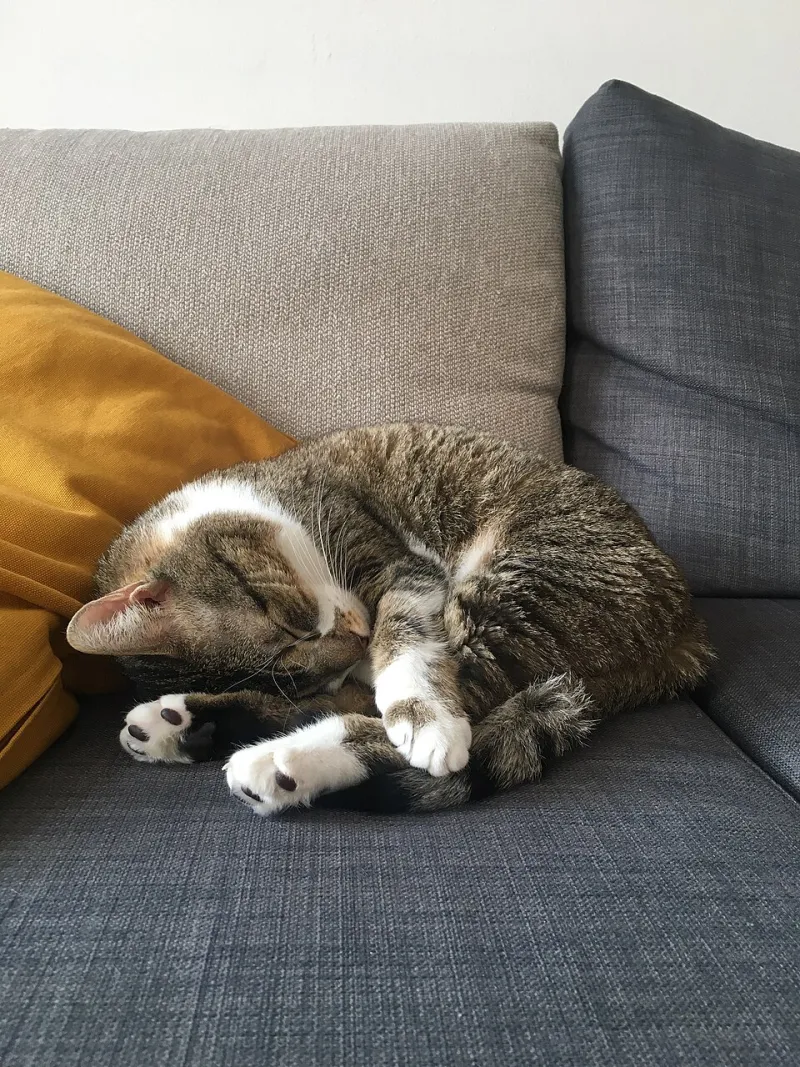
Photo: Simonjoan, CC BY-SA 4.0, via Wikimedia Commons
If you've ever wrestled a terrified cat into a carrier while your neighbors pretend not to hear the chaos, you already know: the stress of a vet visit doesn't start in the waiting room. It starts at home. Sometimes hours before you even grab your keys.
For a lot of cats, the sequence of events leading up to a veterinary appointment — the carrier appearing, the change in your energy, the car ride — creates a cascade of anxiety that's hard to undo once it's in motion. But here's the thing: that window of time before you leave is actually your biggest opportunity to intervene. And sound is one of the most underused tools in that window.
Why Pre-Visit Stress Is Such a Big Deal
Cats are creatures of pattern and environment. When something disrupts their baseline — like a suddenly visible carrier or an owner moving around with unusual urgency — their nervous systems start reading the room. Cortisol, the primary stress hormone, begins climbing. Heart rate increases. Pupils dilate. By the time your cat is actually at the clinic, they may already be operating in full fight-or-flight mode.
This matters beyond just the emotional toll. Elevated stress hormones can actually skew certain diagnostic results, including blood pressure readings and some bloodwork panels. Veterinarians and veterinary behaviorists have increasingly recognized this, which is why the concept of "low-stress handling" has become a priority across the profession. But low-stress handling at the clinic works a lot better when the cat arrives without already being maxed out.
That's where a thoughtful pre-visit sound environment comes in.
What the Science Says About Sound and Feline Stress
Research into cat-specific music — yes, that's a real field — has shown that cats respond differently to sound than humans do. Their auditory range extends much higher than ours, and they're particularly attuned to tempos that mirror natural biological rhythms, like purring and nursing. Music composed with these principles in mind (think slower tempos, higher-frequency gentle tones, and minimal percussion) has been shown in several studies to reduce observable stress behaviors in cats, including hiding, vocalizing, and defensive posturing.
One frequently cited study published in the Journal of Feline Medicine and Surgery found that cats exposed to species-appropriate music during veterinary exams showed measurably lower stress scores compared to cats in silence or exposed to human-oriented classical music. The takeaway? Not all calming music is created equal when it comes to cats — and timing matters, too.
Starting a calming sound environment before stress peaks is significantly more effective than trying to soothe a cat that's already wound up. Think of it like taking a deep breath before a stressful conversation rather than after it's already gone sideways.
Building a Pre-Visit Sound Ritual at Home
You don't need a fancy setup to make this work. The goal is simple: create an auditory environment that signals safety and calm in the two to three hours before your appointment.
Start early. If your appointment is at 2 p.m., begin your sound ritual around 11 a.m. or noon. Put on a cat-specific ambient playlist or a gentle nature soundscape — think soft rainfall, quiet birdsong at a low volume, or slow instrumental music without sudden dynamic changes. Platforms like Cat Calm Radio are built exactly for this purpose, offering continuous streams designed with feline sensitivities in mind.
Keep your own energy low. Cats are remarkably good at reading human anxiety. If you're rushing around, speaking in a tense voice, or visibly stressed about the appointment, your cat is going to pick up on that no matter what's playing in the background. Pair the calming audio with your own intentional slowness — move calmly, speak softly, and avoid rushing the carrier introduction.
Introduce the carrier early and make it part of the calm space. Leave the carrier out with the door open at least a day before the appointment, ideally with a piece of your clothing or your cat's favorite blanket inside. Play the ambient sounds near the carrier so your cat starts associating that audio environment with a safe, non-threatening object.
Use the car ride as a continuation, not a break. A lot of owners turn off the music once they're in the car, which abruptly ends the calming signal. Bring a small Bluetooth speaker or use your phone to continue the same soundscape during the drive. Consistency matters — your cat's nervous system is looking for familiar cues that say everything is still okay.
What Vets and Cat Owners Are Actually Doing
Anecdotally, the cat owner community has been quietly onto this for a while. In online forums and Facebook groups dedicated to anxious cats, you'll find threads full of owners describing their pre-vet rituals: playing specific YouTube playlists for an hour before leaving, using a white noise machine near the carrier the night before, or running a calming ambient stream all morning on appointment days.
Veterinary professionals are increasingly supportive of these approaches. Many Fear Free certified veterinarians — a growing credential in the US focused on reducing patient anxiety — actively encourage owners to begin the calming process at home rather than waiting until the cat is already at the clinic. Some clinics have even started sending clients pre-visit preparation guides that include sound environment recommendations alongside suggestions about pheromone sprays like Feliway.
The consensus from both sides of the exam table seems to be the same: what happens at home in those hours before the visit shapes everything that follows.
A Few Sounds That Tend to Work Well
Not sure where to start? Here are some sound types that cat owners and feline behavior experts frequently mention as effective for pre-visit calming:
- Slow, purr-like tones or low hums — these mimic biological sounds cats associate with safety
- Gentle rain or light water sounds — consistent, predictable, and not startling
- Species-appropriate music — compositions specifically designed for cats using feline-friendly tempos and frequencies
- Soft acoustic or classical music at low volume — not all human music misses the mark; the key is avoiding sudden loud passages or heavy bass
What to avoid: anything with unpredictable volume shifts, heavy percussion, high-energy tempos, or loud commercials if you're streaming from an ad-supported source.
The Bigger Picture
Vet visits are non-negotiable. Your cat needs regular care, and skipping appointments because they're stressful only creates bigger problems down the road. But "necessary" doesn't have to mean "traumatic" — for your cat or for you.
Building a simple, consistent pre-visit sound ritual is one of the lowest-effort, highest-impact things you can do to change the entire tone of the experience. Start the calm before the chaos has a chance to start. Your cat's nervous system — and your vet's exam table — will thank you.
And honestly? After a morning of calming ambient sounds and a low-key routine, you might find yourself arriving at the clinic a little less frazzled too. That's just a bonus.