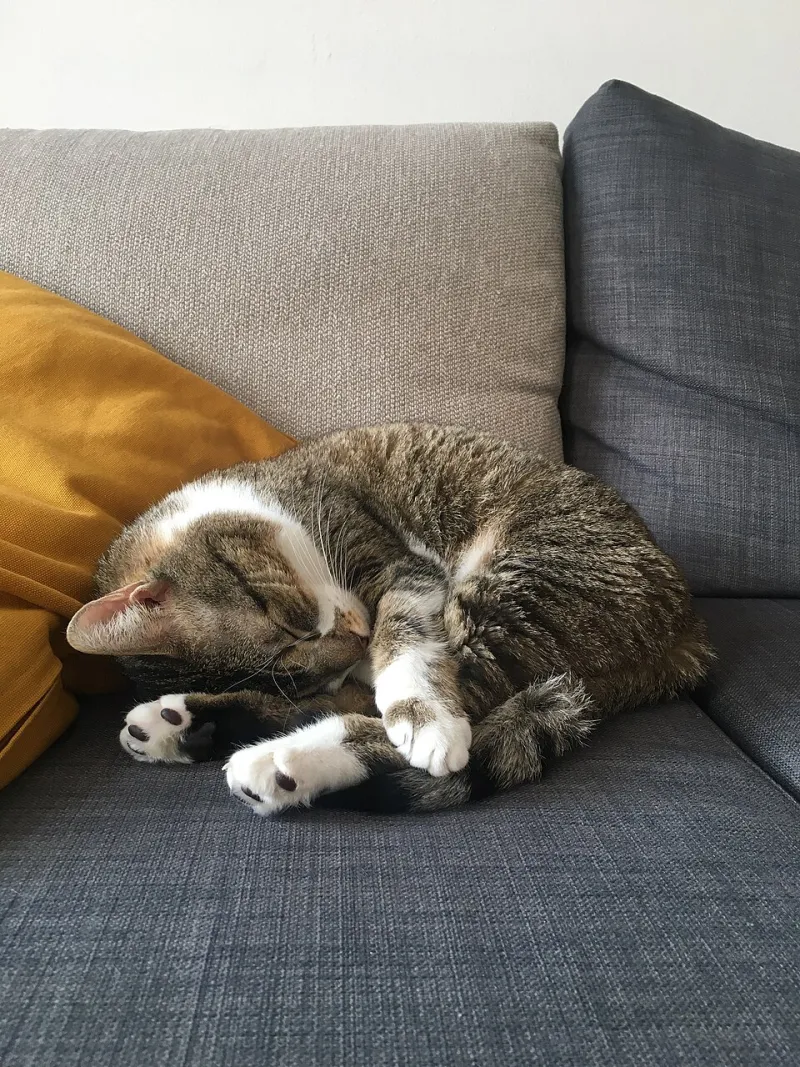
One Home, Two Very Different Ears: How to Pick the Right Soundscape Based on Your Noise Level
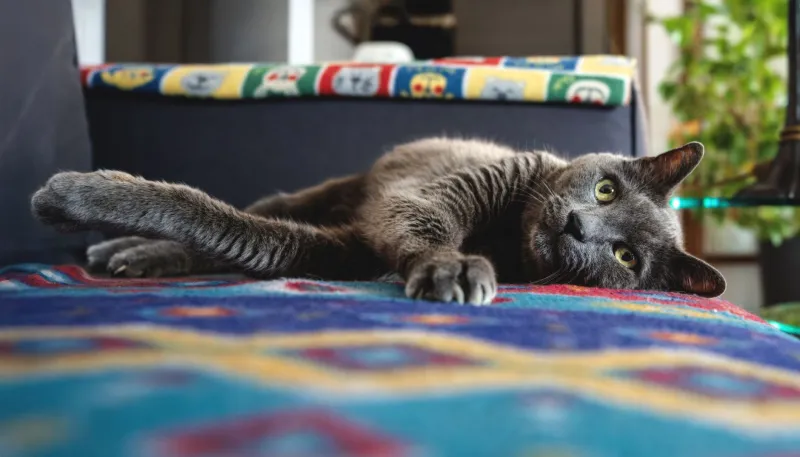
There's a version of cat audio enrichment that gets talked about a lot — the peaceful, Pinterest-worthy scenario where a cat lounges in a sun patch while soft piano music drifts through a perfectly quiet room. And sure, that's lovely. But most of us aren't living in that room.
Maybe you're in a third-floor apartment in Chicago where the street noise never really stops. Maybe your household includes two kids under ten, a dog who has opinions about the mail carrier, and a TV that's almost always on. Or maybe your place is genuinely quiet — and that stillness, believe it or not, comes with its own set of challenges for a sensitive cat.
The truth is, the "right" calming soundscape isn't one-size-fits-all. It's shaped by the baseline noise level of your home. Getting this wrong doesn't just mean your cat ignores the music — it can mean the sounds you're playing actively add to their stress instead of relieving it.
Why Your Home's Noise Baseline Matters More Than You Think
Cats hear frequencies humans can't even detect — up to around 65,000 Hz, compared to our ceiling of roughly 20,000 Hz. They're also wired to parse their environment constantly, cataloging sounds for threats and patterns. That's not a quirk; it's survival instinct that domestication hasn't fully dialed down.
What this means practically is that your cat is always processing more audio information than you are. In a noisy household, they're already working overtime. Adding a dense, layered soundscape on top of that isn't calming — it's just more input for an already-busy nervous system.
In a very quiet home, though, the absence of sound can create a kind of hyper-vigilance. Every creak, every distant car door, every neighbor's voice becomes a potential event. A little ambient audio can actually smooth over those jarring interruptions.
The goal, in both cases, is the same: give your cat's auditory system something predictable and gentle to anchor to. But how you get there looks pretty different depending on where you're starting from.
If Your Home Is on the Louder Side
Loud households — urban apartments near busy roads, homes with multiple kids, places where the TV is basically a family member — present a specific challenge. The instinct is to turn up calming music to "compete" with the background noise. Resist that instinct.
Layering more sound on top of existing noise doesn't cancel anything out for a cat. It compounds it. Instead, the strategy here is about simplicity and low intensity.
What works best in loud homes:
- Single-instrument or minimalist compositions. Think solo cello, light acoustic guitar, or simple piano pieces without a lot of dynamic range. The less complexity, the easier it is for your cat's brain to treat it as background rather than foreground.
- Low-frequency ambient tones. Sounds in the lower register — gentle bass hums, slow rhythmic patterns — have been shown in feline acoustic research to be less activating than higher-pitched sounds. They also do a better job of blending with environmental noise without adding chaos.
- Consistent volume, always low. If there's one rule for loud households, it's this: your calming audio should never be louder than a quiet conversation. Around 50–55 decibels max. If you have to raise your voice over it, it's too loud for your cat.
- Avoid nature sounds with sudden elements. Birdsong, thunderstorms, and running water can be great in the right context, but in an already stimulating environment, the unpredictability of those sounds can spike a cat's attention rather than lower it.
Also worth considering: acoustic placement matters. In a noisy home, putting a small speaker in your cat's preferred resting spot — pointed toward them at low volume — creates a localized calm zone without trying to compete with the whole room.
If Your Home Is Naturally Quiet
Quiet households have their own dynamic. If you live somewhere genuinely peaceful — a rural area, a low-traffic suburb, a well-insulated apartment — your cat may actually be more reactive to random sounds because there's so little consistent noise to normalize against.
For these cats, the goal isn't to minimize sound — it's to create a gentle, continuous audio presence that fills the silence in a predictable way.
What works best in quiet homes:
- Richer ambient textures. Layered nature sounds — soft rain, a light breeze through trees, distant water — work beautifully here because they mimic the kind of low-level environmental audio that would exist outdoors. They give your cat something to passively process without any stress spikes.
- Music with a little more movement. In a quiet home, you have more headroom to use compositions with gentle melodic development. Cats in calm environments can handle slightly more musical complexity without tipping into overstimulation.
- Frequency-specific music designed for cats. Researchers like those behind the "Music for Cats" project have developed audio that incorporates feline-relevant frequencies — think sounds in the range of purring or kneading — which can be particularly effective when there's nothing competing for your cat's attention.
- Gradual fade-in when starting sessions. In a very quiet home, suddenly starting any audio can be startling. Building a habit of fading sounds in over 30–60 seconds helps your cat's nervous system recognize "this is the calm signal" rather than "something just changed."
Protecting Those Sensitive Ears in Any Environment
Regardless of your household noise level, there are a few universal guidelines that apply whenever you're using audio enrichment for your cat.
Never place speakers directly next to where your cat sleeps or eats. Even gentle sounds become stressful at close range. A few feet of distance makes a real difference.
Give your cat an opt-out. Always make sure they can move to a space where the audio doesn't reach. Cats regulate their own comfort better than we do — if they consistently leave the room when you start the music, that's feedback worth taking seriously.
Watch for stress signals. Flattened ears, dilated pupils, excessive grooming, or a sudden interest in hiding can all indicate that the audio environment isn't working. These signs show up in both loud and quiet homes when the soundscape isn't calibrated right.
Take breaks. Even beneficial sounds shouldn't run 24/7. Cats need genuine quiet periods too — times when there's nothing to process at all. Think of audio enrichment as a tool you use intentionally, not a background loop that never stops.
Finding Your Home's Sound Sweet Spot
The best way to figure out what works for your specific cat in your specific home is to start simple and pay attention. Pick one type of sound — a single-instrument track, a soft rain loop, a gentle ambient tone — and run it for a few days at low volume during a time when your cat is usually resting. Watch what happens. Do they settle more easily? Stay in the room longer? Sleep more deeply?
If yes, you've found a direction worth exploring. If they seem indifferent or more agitated, adjust the style or the volume and try again.
Your home's noise level is just the starting point. Your cat's individual response is the real guide. At Cat Calm Radio, we think about this a lot — because the whole point of calming audio isn't to fill space. It's to create the right kind of quiet, whatever that looks like in your home.