Why Your Cat Turns Into a Tiny Tornado at 3 A.M. — And How Soundscapes Can Fix It
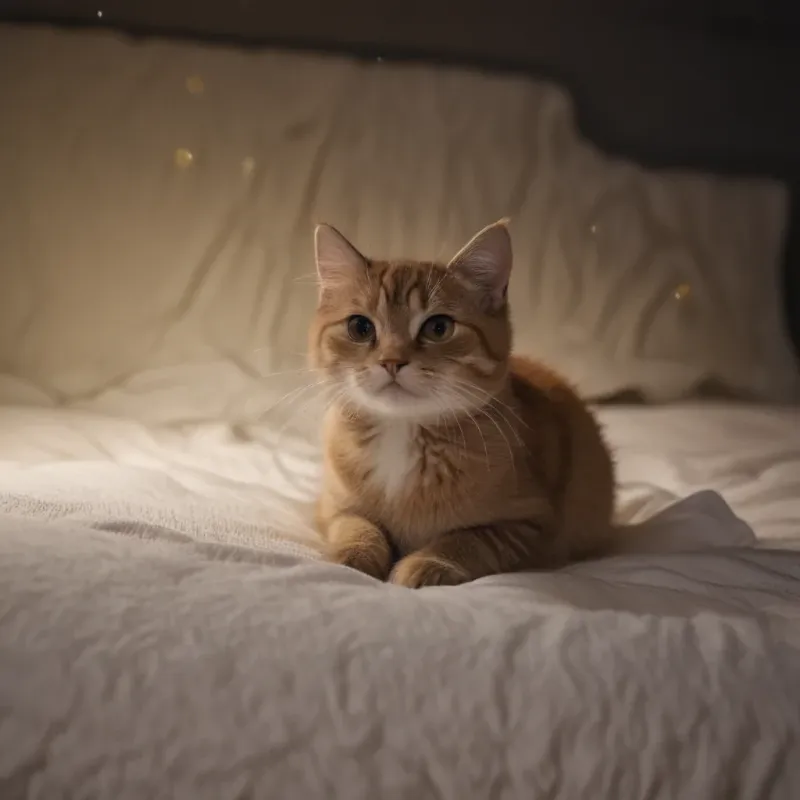
Photo: cat sleeping peacefully at night on cozy bed with soft ambient lighting, via data.ipic.ai
You're deep in the middle of a perfectly good dream when suddenly — thud, scramble, crash — your cat has decided 3 a.m. is the ideal time to race from the bedroom to the kitchen and back again, approximately eleven times. If you've ever lived with a cat, you know this scenario intimately. The midnight zoomies are practically a rite of passage for cat owners across America. But here's the thing: it doesn't have to be this way forever.
The secret weapon you might not have considered? Sound.
The Biology Behind the Chaos
Cats are crepuscular by nature, meaning their internal clocks are hardwired for peak activity around dawn and dusk — not necessarily the middle of the night, but close enough to be disruptive. In the wild, those low-light hours are prime hunting time, and your perfectly fed, indoor house cat still carries that ancient programming deep in their nervous system.
Circadian rhythms in cats, much like in humans, are regulated by a combination of light exposure, temperature shifts, and — crucially — sound cues. Research in animal chronobiology has shown that ambient acoustic environments play a measurable role in signaling rest-or-activity states to the brain. In other words, what your cat hears before bed genuinely influences what their brain decides to do next.
When your home goes completely silent at night, it can actually trigger alertness in cats. Total silence, counterintuitively, reads as a signal to be on guard. The absence of ambient noise removes the auditory backdrop that signals "the world is calm, nothing is happening, it's safe to rest."
Sound as a Circadian Reset Tool
This is where audio design gets genuinely interesting. Specific types of soundscapes — particularly those featuring slow, rhythmic patterns at low-to-mid frequencies — have been shown to promote parasympathetic nervous system activity in mammals. Translation: they help the body shift out of alert mode and into rest mode.
For cats specifically, the sweet spot tends to fall in a few distinct sound categories:
- Slow, steady nature sounds like gentle rain, a light brook, or soft wind through trees. The predictability of these rhythms cues the brain that the environment is stable and safe.
- Low-frequency hums and drones that sit between roughly 50–200 Hz. Interestingly, this range overlaps with the lower registers of a cat's own purr frequency, which may explain why it tends to have a calming effect.
- Species-appropriate music — compositions built around tempos and tonal ranges that match feline auditory preferences, typically slower than human pop music and pitched slightly higher than what we find most soothing.
Avoid anything with sudden dynamic shifts, high-pitched staccato sounds, or erratic rhythms in the hours leading up to your target bedtime. Those patterns signal unpredictability, which is the last thing you want when you're trying to wind a cat down.
Building a Sound-Based Sleep Routine: A Realistic Timeline
Resetting a cat's internal clock isn't an overnight fix (no pun intended). Think of it more like slowly adjusting a thermostat — gradual changes that compound over time.
Week 1: Establish the anchor. Pick a consistent time each evening — ideally 30 to 60 minutes before you want your cat to settle down — and begin playing a calming soundscape at a low volume. Around 40–50 decibels works well; think quiet conversation level, not a whisper, not a TV drama. The goal in week one is simply repetition. You're teaching your cat's brain to associate this audio with the transition toward rest.
Week 2: Layer in a pre-bed ritual. Pair the soundscape with a consistent physical routine: a play session (to burn off energy), followed by a small meal or treat, followed by the calming audio. This sequence — exertion, feeding, sound — mirrors a natural hunt-catch-eat-rest cycle. You're essentially hacking your cat's instincts in your favor.
Weeks 3–4: Extend and adjust. Start the soundscape earlier and let it run through the night at a lower volume. Many cat owners find that keeping ambient audio playing softly through the overnight hours dramatically reduces the frequency of those 3 a.m. sprints, because the consistent sonic environment keeps signaling "still calm, still safe, nothing to investigate."
Common Scenarios and What to Try
"My cat seems completely unbothered by any sound." Some cats, particularly younger ones or high-energy breeds like Bengals or Abyssinians, need more physical exhaustion before sound can do its job. Double down on the pre-bed play session — a solid 15 to 20 minutes of active play — before introducing the audio portion of the routine.
"The sounds seem to make my cat more alert, not less." You may have started with frequencies that are too stimulating. Bird sounds, for instance, are a popular ambient choice for humans but can activate hunting instincts in cats. Stick to water, wind, and low instrumental tones until you find what works.
"It worked for a week, then stopped." Cats can habituate to repeated stimuli — a phenomenon called auditory adaptation. Rotate between two or three different soundscapes so the association stays fresh without becoming background noise your cat fully tunes out.
Placement Matters More Than You Think
Where you position your speaker influences how effective the soundscape will be. Placing audio sources near your cat's preferred sleeping spot — whether that's a cat bed, a couch corner, or your pillow — creates a localized sound environment that wraps around them during rest. Avoid placing speakers directly on the floor, where vibrations can feel physical rather than ambient. A shelf or elevated surface at roughly cat-height is ideal.
For multi-cat households, consider that one cat's calming solution might be another's point of tension. If your cats tend to compete for space, having a single soundscape playing in a shared area can actually help reduce that low-level social stress that contributes to nighttime restlessness.
The Bigger Picture
The midnight zoomies aren't a character flaw — they're a biological reality. But biology isn't destiny, especially when you have tools like thoughtful audio design on your side. A consistent, sound-anchored bedtime routine won't just help your cat sleep better; it'll help you sleep better too. And honestly, that might be the most underrated benefit of all.
Your cat's inner wildcat isn't going anywhere. You're just giving it a reason to clock out a little earlier.