Sound Before Everything Else: Your New Cat's First Days at Home Don't Have to Be Silent or Scary
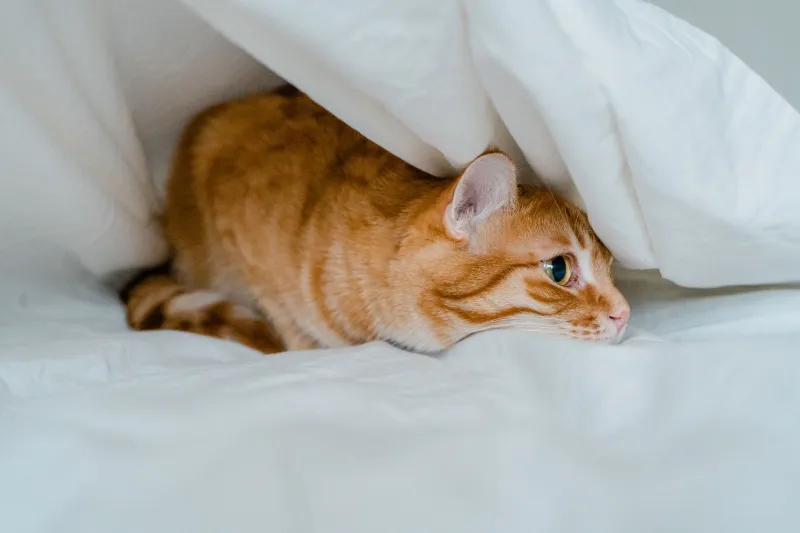
You've done all the prep work. The litter box is set up, the food bowls are in place, you've got a cozy little hideaway corner with a soft blanket — maybe you've even spent an embarrassing amount of time arranging cat toys. And then you open the carrier door and your new cat absolutely refuses to come out.
Welcome to adoption day.
For most new cat parents, the instinct in that moment is to go quiet. Hush the kids, mute the TV, tiptoe around the apartment like you're trying not to wake a sleeping giant. And while that impulse isn't wrong exactly, it's also not the whole picture. Total silence can actually feel just as unsettling to a stressed cat as a noisy environment — because silence in the wild means something is watching you.
What your new cat actually needs isn't quiet. They need the right kind of sound.
Why Shelter Cats Are Basically Sensory Sponges on Arrival
Shelter life is loud. Barking dogs, clanging metal doors, the hum of fluorescent lights, dozens of stressed animals all vocalizing at once — it's a chaotic soundscape that cats endure for days, weeks, sometimes months. By the time your new cat arrives at your home, their nervous system has been running on high alert for a long time.
That means the sudden shift to your home's sound environment — whatever that is — lands hard. A quiet apartment can feel eerie and tense. A busy household with kids and a TV blaring can feel like more of the same chaos. Neither extreme gives a newly adopted cat the audio anchor they need to start feeling safe.
Research into feline stress responses consistently shows that unfamiliar environments trigger heightened cortisol levels in cats, and that auditory cues play a significant role in how quickly those stress hormones come back down. In other words, what your cat hears in those first hours matters just as much as what they see or smell.
The First Hour: Keep It Low, Keep It Consistent
Before you even open the carrier, set the audio tone for the room. Think of it like cueing up a playlist before guests arrive — you want the vibe already established, not something you scramble to create after the moment has passed.
For that first hour, go with something steady and unobtrusive. Nature-based ambient tracks work beautifully here: gentle rainfall, soft forest sounds, a quiet stream. These aren't random choices — low-frequency, rhythmically consistent sounds have been shown to reduce feline arousal and encourage exploratory behavior rather than freeze-or-flee responses.
Keep the volume low enough that you can still have a normal conversation without raising your voice. That's your baseline. You want the sound to fill the silence without dominating the space.
Avoid anything with sudden dynamic shifts — no songs that go from soft verses to big choruses, no nature tracks that include thunder or loud bird calls. Predictability is the whole point right now.
Days Two Through Seven: Building an Audio Routine
Here's something most adoption guides skip entirely: the power of a consistent daily sound routine in those first weeks.
Cats are creatures of pattern. They don't just get used to physical spaces — they map their environment through sensory repetition. When the same soft music plays every morning while you make coffee, or the same ambient rain track comes on every evening around dinner time, your new cat starts to build a mental framework around those cues. This sound means safety. This sound means my person is nearby. This sound means nothing bad is about to happen.
Try pairing specific sounds with specific daily rituals. A gentle, melodic playlist during feeding time creates a positive association fast. Ambient sound running softly in whatever room you spend the most time in encourages your cat to gravitate toward you, because your space sounds calm and predictable.
This is one of the simplest ways to build trust with a cat who doesn't know you yet — you become part of the soundtrack of their new safe world.
What to Actually Play (And What to Skip)
You don't need a degree in animal behavior to make good audio choices for your new cat. A few practical guidelines go a long way.
Good choices for early days:
- Slow classical music, particularly pieces without dramatic swells (think Satie's Gymnopédies, not Beethoven's Fifth)
- Nature ambience featuring water, light wind, or soft birdsong at a distance
- Purpose-built cat relaxation music, which often incorporates frequencies specifically designed to resonate with feline hearing ranges
- Soft acoustic guitar or piano without percussion
Things to hold off on:
- Anything with bass-heavy beats or prominent drums
- True crime podcasts or anything with raised, urgent voices playing in the background
- True silence — especially in the first 48 hours
- Television news, which tends to have abrupt tonal shifts and emotionally charged audio
One thing worth noting: cats hear in a much wider frequency range than humans do, extending well into the ultrasonic. What sounds neutral to you might be registering as something quite different to your cat. Music and ambient tracks that have been specifically designed with cats in mind account for this in ways that your average Spotify playlist simply doesn't.
The Hideout Room Strategy
Many animal behaviorists recommend setting up a single "base room" for a newly adopted cat — one room where they can decompress before gradually exploring the rest of the home. If you're doing this (and it's genuinely a great idea), make that room your primary audio zone.
Set up a small Bluetooth speaker in the corner, keep it playing softly throughout the day and evening, and let your cat associate that room with consistent, calming sound. When they're ready to venture out, they'll carry that sense of audio security with them.
As they start exploring other rooms, you can gently extend the soundscape — a second speaker in the living room, ambient sound during the hours you're home, a soft playlist running overnight near their sleeping spot.
You're Part of the Soundtrack Too
Don't underestimate the sound of your own voice. Talking softly to your cat — even just narrating what you're doing, which yes, feels a little silly — is genuinely effective. Your voice becomes a familiar audio cue, something that separates your home from the shelter, from the car ride, from every stressful place that came before.
You're not just filling silence. You're introducing yourself.
Pair your voice with calm background music and you've created something really powerful: a layered sensory experience that says you are safe here, this is home, and nothing here will hurt you.
Adoption day doesn't have to be a white-knuckle wait for your cat to come out from under the bed. With the right audio environment, you're giving them something to orient toward — a sound that says welcome, long before they're ready to believe it.